





Maintaining good heart health may also help lower the risk of developing cancer, according to research published in JACC: CardioOncology.
In the study, cardiology researchers from Massachusetts General Hospital (MGH) and collaborators from other institutions in the United States and the Netherlands analyzed data from two large, population-based health studies. They found that well-known cardiovascular disease (CVD) risk factors—such as older age, male sex, and current or former smoking—were each independently linked to a higher likelihood of developing cancer.
The researchers also observed that elevated levels of natriuretic peptides, which signal increased strain on the heart, were associated with a greater cancer risk among participants.
Having heart disease before the study began, or experiencing a cardiovascular event such as a heart attack or heart failure during follow-up, did not appear to raise cancer risk. However, participants who entered the study with ideal cardiovascular health had a lower chance of developing cancer later on.
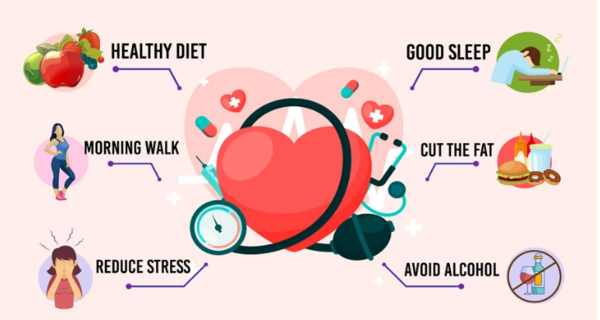
Among individuals who already had CVD at the start of the study or who experienced events like heart attack or stroke, those who most closely followed American Heart Association recommendations showed a reduced future cancer risk. These guidelines include controlling blood pressure and cholesterol, managing blood sugar, staying physically active, eating a healthy diet, maintaining a healthy weight, and avoiding smoking.
Coauthor Emily Lau, MD, emphasized that while the study found a strong association between heart-healthy behaviors and reduced cancer risk, it does not prove a direct cause-and-effect relationship. The analysis included data from 20,305 participants who were cancer-free at enrollment in two long-running community studies: the Framingham Heart Study and the Prevention of Renal and Vascular Endstage Disease (PREVEND) study.
Researchers assessed cardiovascular risk using several measures, including the 10-year atherosclerotic cardiovascular disease risk score, biomarkers such as natriuretic peptides and cardiac troponins, the presence of CVD at baseline, and the American Heart Association’s Life’s Simple 7 score, which reflects self-reported heart-healthy habits.
The results showed that every 5% increase in the estimated 10-year cardiovascular risk score was linked to a 16% rise in cancer risk. In addition, participants with natriuretic peptide levels in the highest third had a 40% higher risk of developing cancer compared with those in the lowest third.