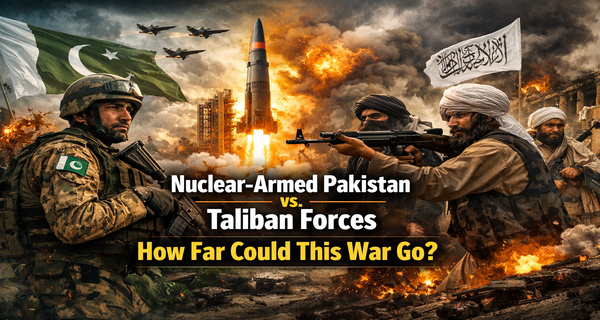



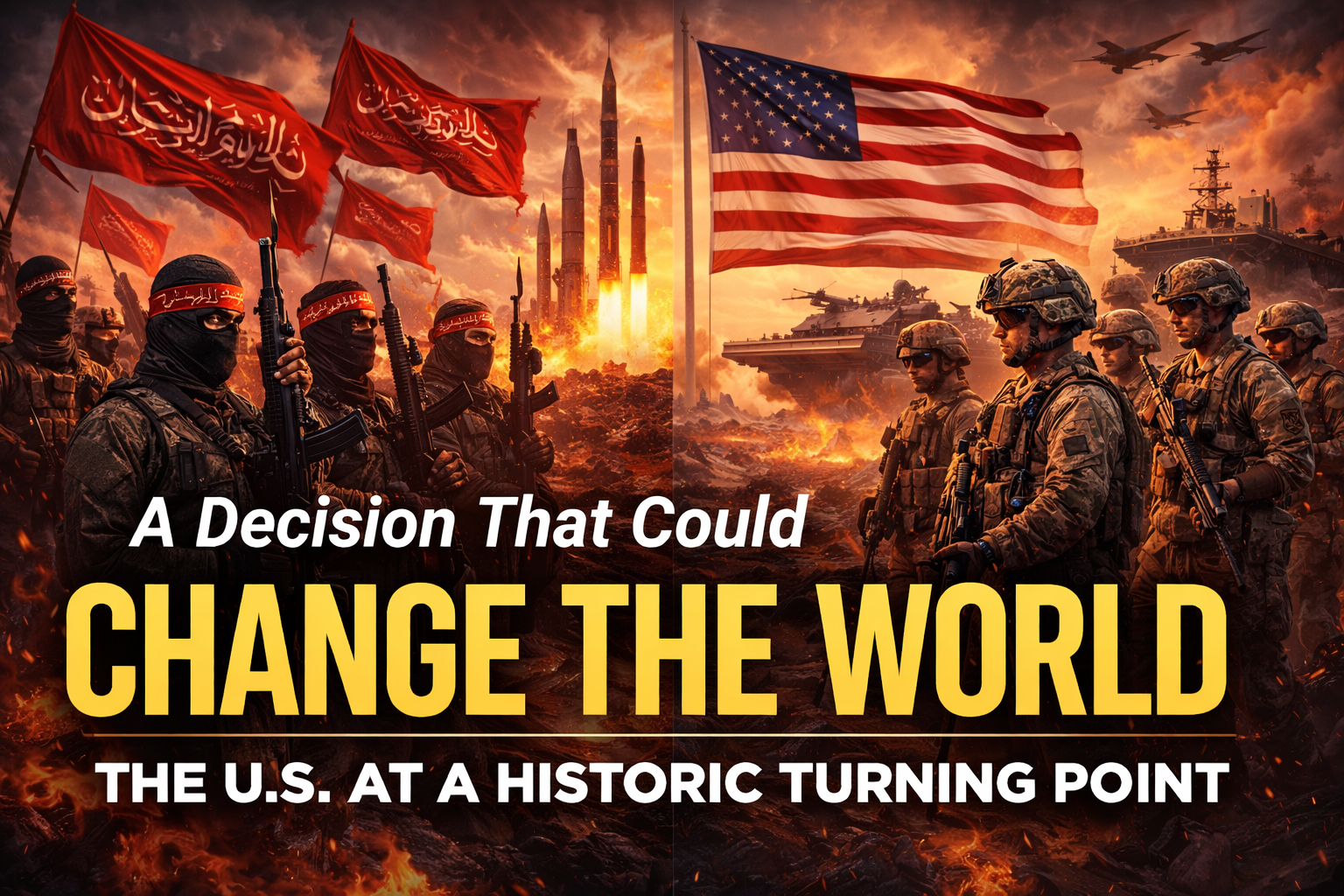
The United States stands at a defining crossroads, facing a decision that could reshape not only its own future but the balance of power across the globe. At a time of rising geopolitical tensions, economic uncertainty, and shifting alliances, Washington’s next move carries enormous weight. From the Middle East to Eastern Europe and the Indo Pacific, allies and adversaries alike are watching closely, aware that American policy decisions often ripple far beyond its borders. Markets react within minutes, diplomatic channels heat up overnight, and military strategies adjust in real time.
At the heart of this historic moment lies a high-stakes choice: whether to deepen involvement in escalating international conflicts or pursue a strategy aimed at de-escalation and strategic restraint. This decision could directly affect global energy prices, international trade routes, military deployments, and domestic economic stability. A stronger military posture may reassure allies and project power, but it also risks widening existing conflicts and drawing the U.S. into prolonged engagements. On the other hand, a cautious diplomatic approach could reduce immediate tensions, yet raise concerns about credibility and deterrence. The implications stretch beyond foreign policy American households could feel the consequences through fuel prices, inflation trends, stock market volatility, and even cybersecurity threats. In an interconnected world, what happens in Washington does not stay in Washington; it shapes supply chains, financial systems, and security frameworks worldwide.
Politically, the pressure is intense. Lawmakers debate the scope of executive authority, defense commitments, and budget priorities, while public opinion remains divided. Some argue that strong action is necessary to maintain global stability and protect national interests. Others warn against costly entanglements that could strain military resources and deepen domestic divisions. The debate reflects broader questions about America’s role in the 21st century: Should it continue as the world’s primary security guarantor, or recalibrate its responsibilities in a multipolar era?
Economically, the stakes are equally significant. Any shift in U.S. strategy could influence oil markets, investor confidence, and the strength of the dollar. Businesses dependent on global supply chains are closely monitoring developments, preparing contingency plans in case of disruptions. Even small policy changes can send powerful signals to financial markets, triggering rapid adjustments that impact retirement funds, consumer spending, and job growth.
Ultimately, this moment underscores the extraordinary influence of American decision-making. History has shown that pivotal choices whether in times of war, crisis, or transformation often define generations. The path selected now may determine not only immediate outcomes, but the broader trajectory of international stability, economic resilience, and global leadership. As the world waits, one thing is clear: the consequences of this decision will extend far beyond today’s headlines.