




Pumpkin is a flavorful seasonal favorite that delivers an impressive range of nutrients. This colorful squash can support your health all year long — not just during fall.
Pumpkin often steals the spotlight during the holidays in pies, breads, and the ever-popular pumpkin spice latte. But it’s available year-round and works just as well in savory meals as it does in sweet treats.
Pumpkin is a nutrient-dense food that provides essential vitamins and minerals with very few calories. One cup of cubed pumpkin contains approximately:
- Calories: 30
- Protein: 1.2 g
- Carbohydrates: 8 g
- Fat: 0.1 g
- Sugar: 3.2 g
- Fiber: 0.6 g
- Sodium: 1 mg
Thanks to its nutritional profile, pumpkin can easily upgrade everyday meals and snacks. Below are five ways pumpkin supports your health, along with easy ways to enjoy more of it.
Helps You Feel Full Longer
Canned pumpkin offers nearly 3 grams of fiber per cup while remaining low in calories, making it a helpful addition for weight management.
“Fiber promotes fullness and helps curb unnecessary snacking between meals,” explains Pamela Nisevich Bede, a registered dietitian with Abbott’s scientific and medical affairs team.
A fiber-rich diet may also lower the risk of heart disease by improving cholesterol levels and supporting healthy blood pressure. In addition, fiber aids digestion, helps prevent constipation, supports gut health, and strengthens immune function.
Supports Memory and Focus
Pumpkin is rich in lutein, a carotenoid known for its benefits beyond eye health.
“Lutein plays a key role in brain performance and may enhance learning, memory, attention, and focus,” says Matthew Kuchan, PhD, a discovery scientist researching nutrition and cognitive health.
Research also suggests that lutein combined with zeaxanthin may improve visual processing speed.
Strengthens the Immune System
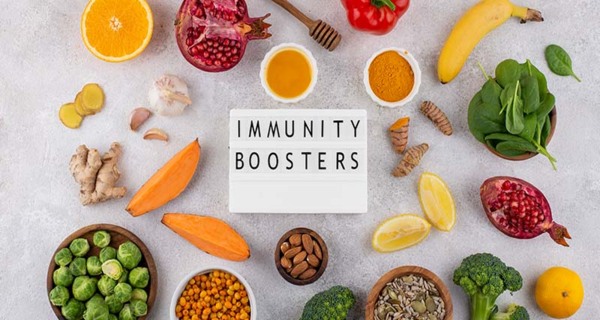
Pumpkin provides immune-supporting nutrients such as zinc, vitamin A, and vitamin C. Its bright orange color comes from beta-carotene, a powerful antioxidant converted into vitamin A in the body. One cup supplies about 17% of the recommended daily intake of vitamin C.
Pumpkin also contains vitamin E, iron, and folate. For an extra immunity boost, pumpkin seeds make a nutritious snack option.
Promotes Healthy Vision
A single cup of cooked pumpkin delivers more than 200% of the recommended daily value of vitamin A. Beta-carotene and other carotenoids support eye health and help maintain good night vision, according to the American Academy of Ophthalmology.
“To boost vitamin A intake, try adding mashed pumpkin to smoothies or stirring it into oatmeal,” suggests Nisevich Bede.
May Improve Sleep and Mood
Pumpkin can even support better rest. While turkey is often blamed for post-holiday drowsiness, pumpkin also contains tryptophan — an essential amino acid linked to improved sleep quality and mood.
“Pumpkin seeds are an easy and flexible way to increase tryptophan intake since the body can’t produce it on its own,” says Nisevich Bede.
Don’t Skip the Seeds
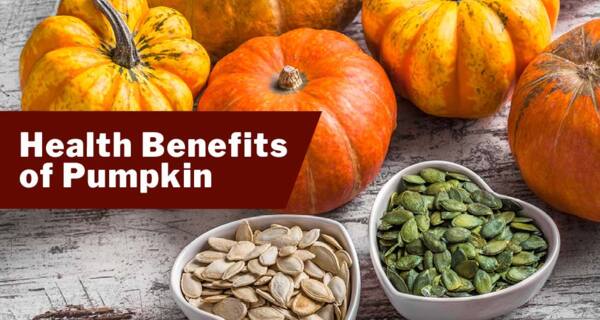
Pumpkin seeds are nutritional powerhouses, offering protein, fiber, healthy fats, vitamins, minerals, and antioxidants like lutein and vitamin E. Enjoy them sprinkled on salads, stirred into soups or oatmeal, or eaten by the handful as a convenient snack.
Pumpkin may be a fall icon, but its health nutritious benefits make it a smart addition to your diet any time of year.