





HOW MANY CALORIES DO YOU NEED EACH DAY?
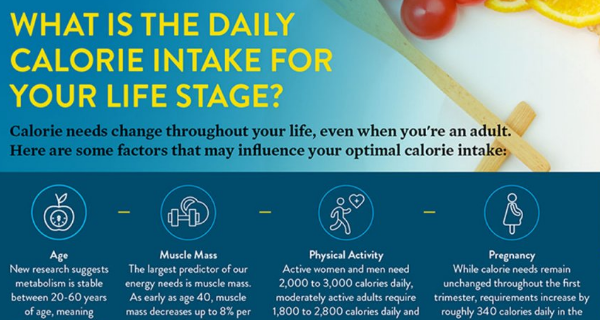
Everyone’s daily calorie needs are different. Your metabolism, activity level, genetics, and lifestyle all play a role. Goals such as losing weight, gaining muscle, pregnancy, breastfeeding, or bodybuilding also significantly affect how many calories your body requires.
A calorie is simply a unit of energy. In nutrition, calories indicate how much energy food provides to fuel your body.
Your body needs energy constantly—even when you are resting or sleeping. Calories are burned to support essential functions such as breathing, blood circulation, repairing cells, regulating body temperature, and performing daily activities like walking or exercising. All of these processes together are known as metabolism.
TOTAL DAILY ENERGY EXPENDITURE (TDEE)
Your daily calorie needs are based on Total Daily Energy Expenditure (TDEE), which includes three main components:
- Basal Metabolic Rate (BMR): Calories burned at rest to maintain vital functions
- Physical Activity Energy Expenditure (PAEE): Calories burned through movement and exercise
- Thermic Effect of Food (TEF): Calories used to digest and process food
Studies show that BMR accounts for about 60–70% of total daily calorie expenditure in sedentary individuals, making it the largest contributor to calorie needs.
WHY THERE IS NO SINGLE ANSWER
One of the most common questions people ask when starting a health or fitness journey is:
“How many calories do I need per day?”
The answer depends on several personal factors. Eating more calories than your body needs can lead to weight gain, while consuming too few can slow metabolism, lower energy levels, and disrupt hormones.
FACTORS THAT AFFECT DAILY CALORIE NEEDS
1. Gender and Body Composition
Men usually need more calories due to higher muscle mass. However, muscle mass matters more than gender—muscle burns more calories than fat, even at rest.
2. Physical Activity Level
Exercise significantly increases calorie burn. Strength training builds muscle and boosts metabolism, while cardio supports heart health and fat loss.
3. Body Weight
Larger bodies require more energy to maintain basic functions. Still, muscle-to-fat ratio is more important than weight alone.
4. Height
Taller individuals generally have higher calorie needs due to increased lean mass and body surface area.
5. Age
Metabolism is highest during youth and gradually declines with age, mainly due to muscle loss and hormonal changes. Staying active and consuming enough protein can slow this decline.
6. Genetics
Genetics influence metabolism, appetite, and how the body responds to diet and exercise. Lifestyle choices, however, remain the most important factor.
7. Environment and Climate
Cold temperatures can slightly increase calorie burn as the body works to stay warm, especially with prolonged exposure.
8. Medical Conditions and Hormones
Illness, injury, surgery, and hormonal disorders (such as thyroid conditions or PCOS) can significantly alter calorie needs. Medical guidance is recommended in these cases.
GENERAL DAILY CALORIE GUIDELINES
According to the USDA Dietary Guidelines:
- Adult women typically need 1,600–2,400 calories per day
- Adult men typically need 2,000–3,000 calories per day
These are general estimates and vary based on individual factors.
CALORIES FOR MUSCLE GAIN AND WEIGHT GAIN
To gain muscle or weight, you need to consume more calories than your daily requirement, combined with resistance training.
Example:
- Male, 30 years old
- 80 kg, 180 cm
- Lightly active
- Goal: Muscle gain
Estimated maintenance calories: ~2,458 kcal/day
Recommended surplus: +300–500 calories
For intense training: up to 700–1,000 calories above maintenance
CALORIES FOR WEIGHT LOSS
Weight loss requires a calorie deficit, meaning you consume fewer calories than you burn—without extreme restriction.
Example:
- Female, 27 years old
- 80 kg, 165 cm
- Moderately active
- Goal: Weight loss
Estimated calorie need: ~1,796 kcal/day
If current intake is 2,500 calories, a gradual reduction to 1,750–1,800 calories is recommended for healthy weight loss.
CONCLUSION
Exercise and proper nutrition go hand in hand. Combining a balanced diet with regular physical activity improves fat loss, strength, and overall health.
Daily calorie needs are shaped by many interconnected factors. Understanding them helps you make smarter decisions about diet and lifestyle. For individualized advice—especially if you have health conditions—consulting a dietitian or healthcare professional is strongly advised.