


The Middle East is once again standing at the edge of a dangerous escalation.
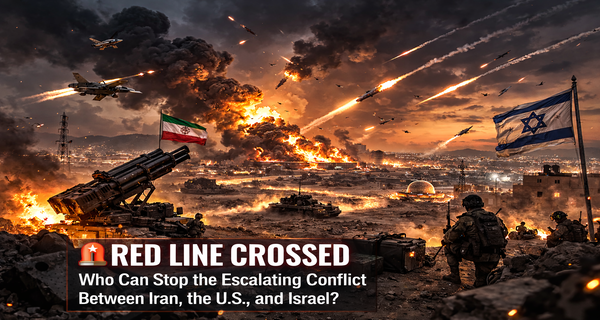
What began as rising tensions and strategic warnings has now turned into direct military confrontation. Following a series of coordinated airstrikes and retaliatory missile launches, analysts across the globe are warning that a critical “red line” may have been crossed one that could reshape the region’s future for years to come.
Reports indicate that key military and strategic targets were struck, triggering swift counterattacks. Missiles and drones have once again lit up the night skies, while air defense systems were activated across multiple locations. The situation remains fluid, with developments unfolding by the hour.
A Conflict Years in the Making
Tensions between Iran, the United States, and Israel have been simmering for decades. Disputes over Iran’s regional influence, its military capabilities, and broader geopolitical rivalries have created a fragile balance one that many feared could collapse at any moment.
That moment may now have arrived.
What makes this escalation particularly concerning is the speed and scale of the retaliation. Unlike previous shadow conflicts and proxy confrontations, the current developments suggest a far more direct and open phase of hostilities.
Global Implications
The consequences of this confrontation extend far beyond the region.
- 🌍 Risk of Regional War: Neighboring countries could be drawn into the conflict, intentionally or otherwise.
- 💰 Economic Shockwaves: Oil markets are already reacting to the uncertainty, raising concerns about inflation and global supply chains.
- 🛡️ Security Threats: Increased military readiness and potential cyber operations could expand the battlefield beyond traditional warfare.
- 🤝 Diplomatic Pressure: World leaders are calling for restraint, but trust between the parties appears severely strained.
Financial markets are watching closely. Energy prices, defense stocks, and global indices could face volatility if the situation continues to deteriorate.
Is There a Way Back?
The key question now is whether diplomacy can regain control before the escalation becomes irreversible.
International organizations and global powers are urging de-escalation. However, with strong rhetoric and domestic political pressures influencing decision-makers on all sides, stepping back may prove politically costly.
History has shown that conflicts in this region can escalate rapidly but it has also shown that last minute diplomatic breakthroughs are possible.
For now, the world waits.
Will this crisis cool down through negotiation, or are we witnessing the beginning of a much larger confrontation that could reshape global security dynamics?
👉 Stay with us for continuous updates, expert analysis, and real time developments as this high stakes situation unfolds.